Art for Fun were back together on the 8th January 2026. Usually, when it’s a new year, you expect a calm start, easing into your routine after eating triple your weight in food. Not at Art For Fun! Instead, we were full steam ahead on having an artist-led workshop!
Beginner Wirework Jewellery
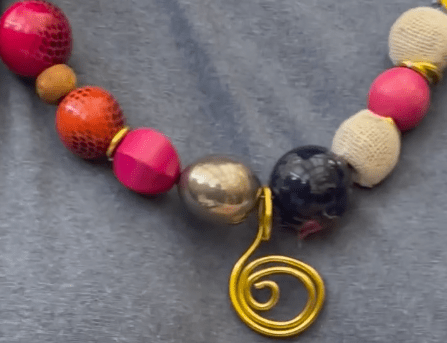
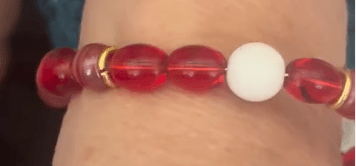
Anne Marie, an artist who specialises in wirework, jewellery and stained glass, joined us to teach us how to make our own jewellery, such as bracelets and necklaces, using wire and colourful beads.
There were many brilliant designs. Some people used ribbon to connect their creations, while others made their jewellery entirely from wire. This workshop reminded me a little of our wirework workshop with Mary Ward Centre a couple of years ago. You can read all about it here.
Anne Marie also taught the participants a cool way to connect the wires of our jewellery together! You can connect the wires by using pliers to twist and curl the ends of the wire.
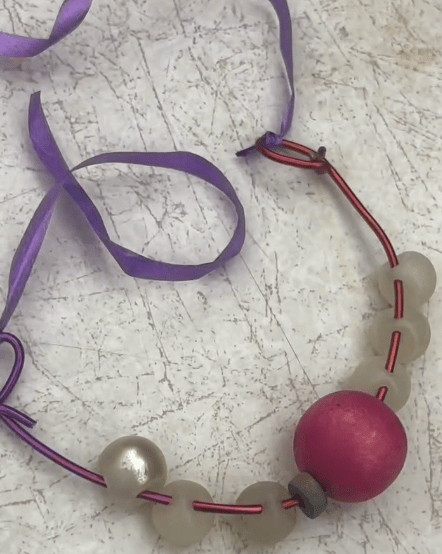
We would like to thank Anne Marie for leading our first session of 2026, for making it such a joyous session and expanding our skills!
You can view Anne Marie’s Instagram here to see more of her artwork, and you can click here to view her reel of the session.
Learning about Ramadan
When you look at the religious holidays and observations that are celebrated in this country, the ones that are overwhelmingly in shops, on air in the adverts or have whole episodes of shows dedicated to them are holidays like Christmas and Easter.
Yet religious celebrations or holidays such as Diwali, Ramadan and Hanukkah barely receive any attention. At Art For Fun, we wanted to challenge that.
The overwhelming focus on Christmas and Easter wasn’t the only reason we wanted to celebrate and learn about other religions. We did this because most of our participants are elderly, and RE lessons were less inclusive of other religions then than they are now. We thought it would be worth exploring. Plus, as Art For Fun has grown, we’ve had more people with a wide range of religious beliefs and faiths. We thought it would be lovely to learn more about their faiths and how they practice them, and to make them feel valued here at Art For Fun.
Also, I think it would be unusual for us not to do that, given that our 2024 PPP grant focused on cultivating and maintaining cultural links across the borough, particularly in the Royal Docks and Beckton areas. Ultimately, other people exist, and that should be celebrated, not ignored or discriminated against.
The week before this workshop, we asked our participants who celebrate Ramadan to bring foods from their culture and to share what they eat at sunset during Ramadan. We also asked them for any pointers on Ramadan routines and their significance in the faith.
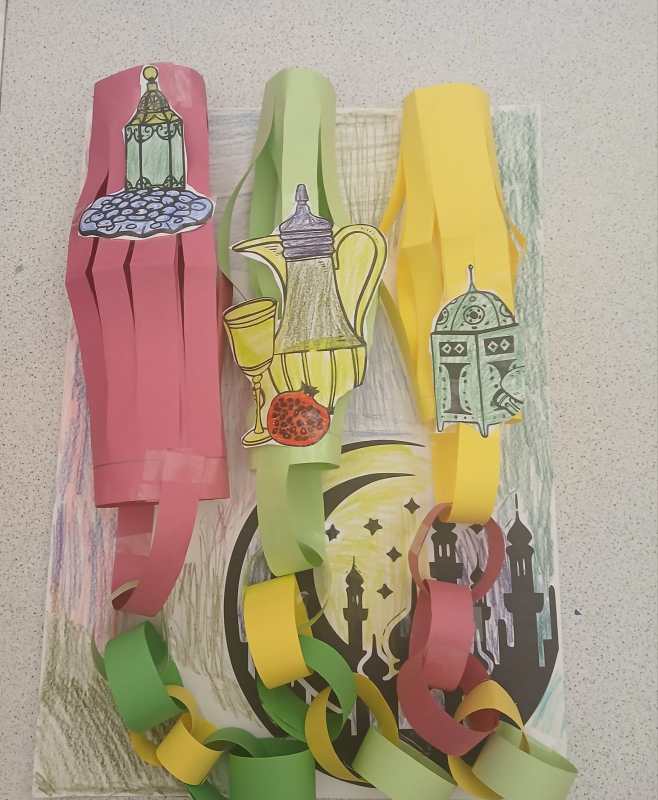
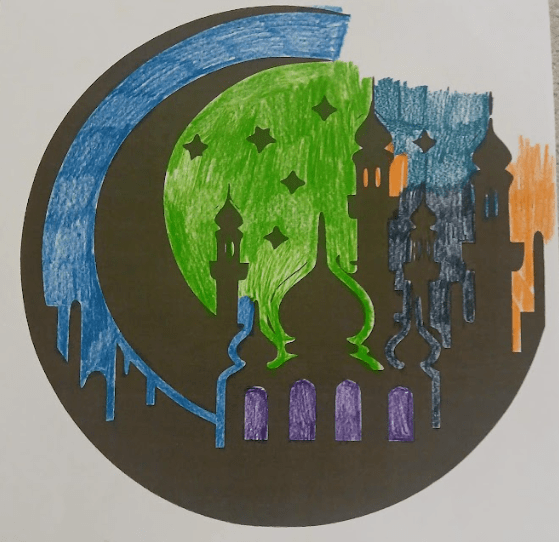
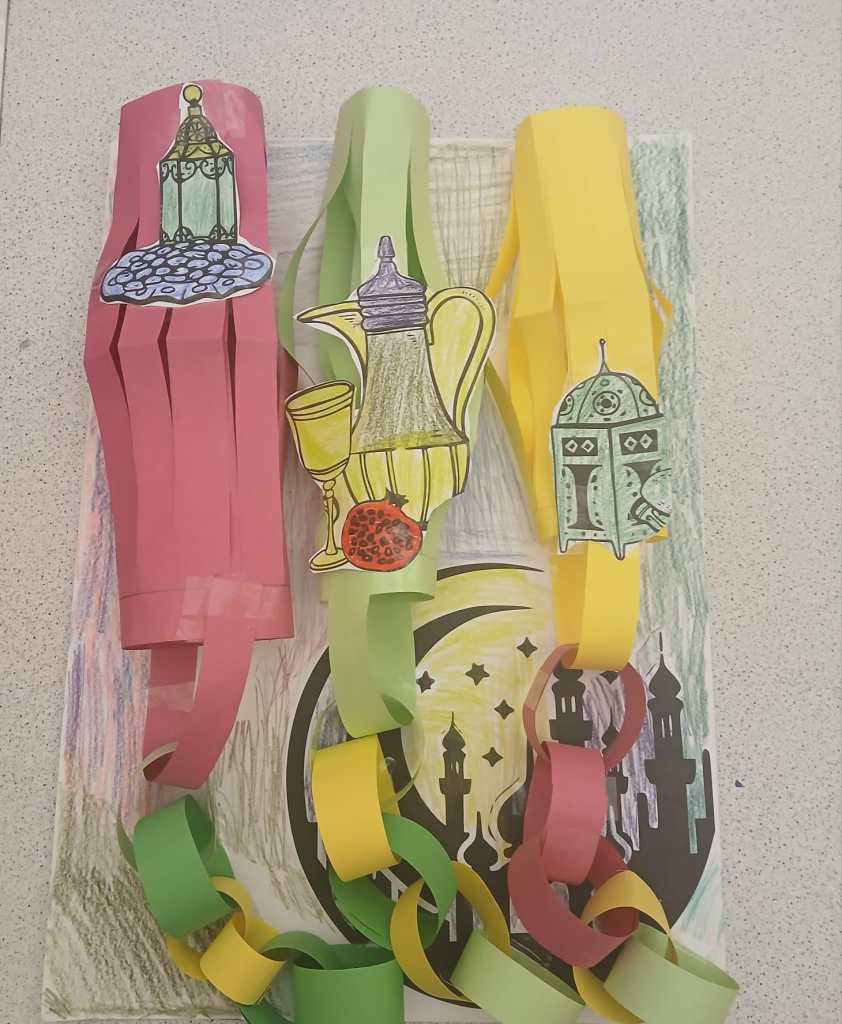
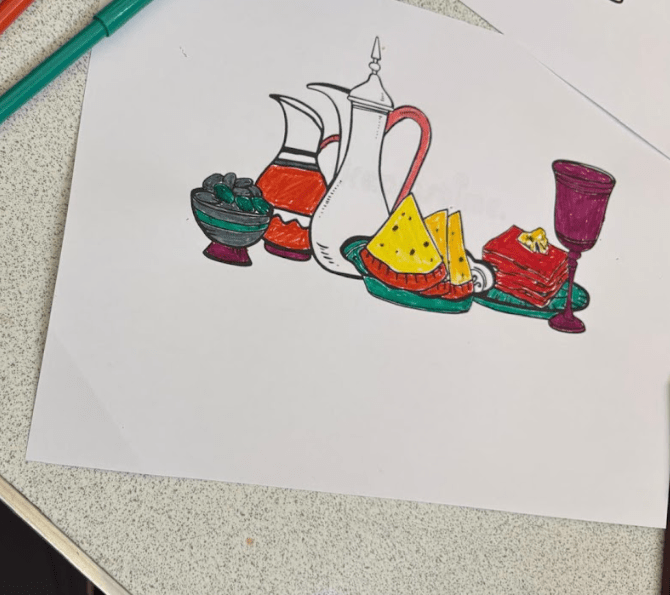
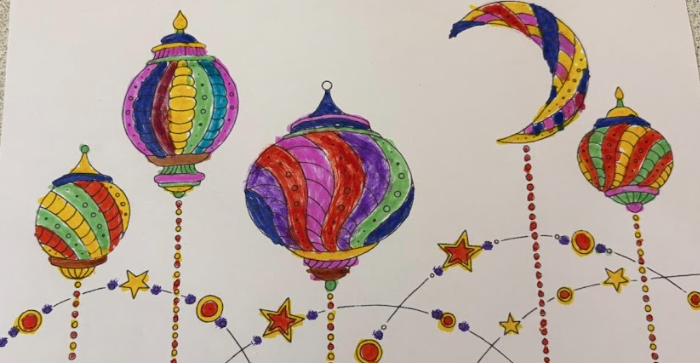
On the day of the workshop (29th January), Sue brought in colouring sheets featuring images of symbols, landmarks, and important Ramadan imagery. People could also decide to make lanterns. We also discussed important Ramadan routines, traditions and their significance, as well as the Islamic faith more broadly. Practices such as Suhoor and Iftar were mentioned.
What are Suhoor and Iftar?
Suhoor and Iftar are the names for the two times during Ramadan when a Muslim is allowed to break their fast. Suhoor is eaten early in the morning before dawn. Timings may vary depending on the time of year Ramadan occurs and changes in day length. Suhoor is observed to prepare the body for fasting and ease the difficulties that occur.
Iftar is the meal that is eaten at sunset to break the fast. Because it’s the meal that breaks the fast, it has to be the most nutritious. Iftar holds significant spiritual significance, as it is when Allah shows love and mercy to those who have fasted, especially if they’ve provided food to others. You are also encouraged to eat dates before this meal, as they help satisfy hunger and reduce overeating. The Prophet also encouraged others to eat Dates before breaking fast.
We also learned that Ramadan will be observed between 17th February 2026 and 18th or 19th March 2026, depending on the sighting of the moon.
What else was brought in
During the session, our participants brought in lots of food, including Juice, Dates, Date-filled cookies, Gujarati mix and Halva. The Halva was made with Semolina and had small pieces of fruit inside it.
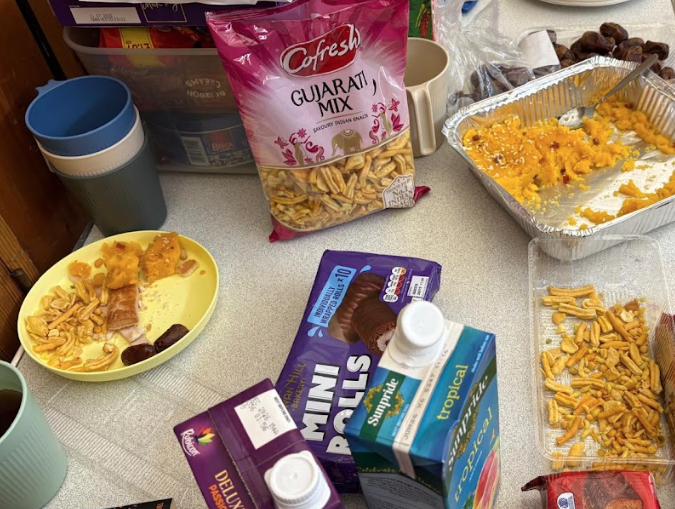
It was a brilliant session. We learned a lot about Ramadan, the preparations involved, and its significance for Muslims. Also, I think it showed our participants how much we care for them and their cultures/ faiths.
You can see our reel about the workshop here.
Art For Fun would like to wish everyone observing a blessed Ramadan!
Thank you for reading. Our next update will be in a couple of weeks. Until then, why don’t you follow our Instagram for more photos!
 Art For Fun